How Weather Conditions Affect Commercial Asphalt Sealing Results
To ensure proper commercial asphalt sealing results, local contractors can adjust their techniques based on weather conditions to protect and extend pavement lifespan.
Understanding how weather conditions affect commercial asphalt sealing results is essential for property owners seeking long-lasting, effective pavement protection. Variations in temperature, humidity, and precipitation can influence how well asphalt sealant bonds and cures, impacting the durability of the seal. Property owners in the area who are considering asphalt sealing often explore this topic to ensure they choose the right timing and approach, helping to maximize the lifespan of their investment. Staying informed about weather patterns and working with experienced local contractors can make a significant difference in achieving optimal sealing outcomes.
For those planning to have their asphalt surfaces sealed, knowing how weather conditions influence the process can prevent common issues like premature wear or ineffective sealing. Local service providers understand the specific climate factors that play a role and can recommend the best times for sealing projects or adjust application techniques accordingly. This knowledge helps property owners protect their asphalt investments more effectively, ensuring that the work performed by local pros delivers the best possible results despite changing weather conditions.
- Commercial parking lots may require sealing during periods of stable, moderate temperatures to ensure proper adhesion and curing, with local contractors adjusting schedules based on weather forecasts. Cold or freezing conditions can hinder the sealing process, prompting local pros to postpone work until temperatures rise sufficiently. Hot, dry weather can cause the sealant to dry too quickly, leading to uneven application, so service providers adapt their techniques accordingly. High humidity or rain can interfere with sealing results, making it essential for local contractors to monitor weather conditions closely before starting work. Proper timing and weather considerations by local pros help achieve optimal results for commercial asphalt sealing projects.
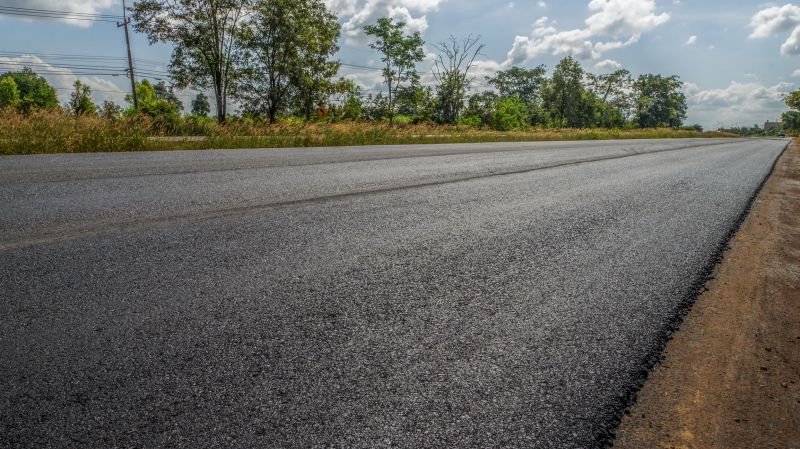
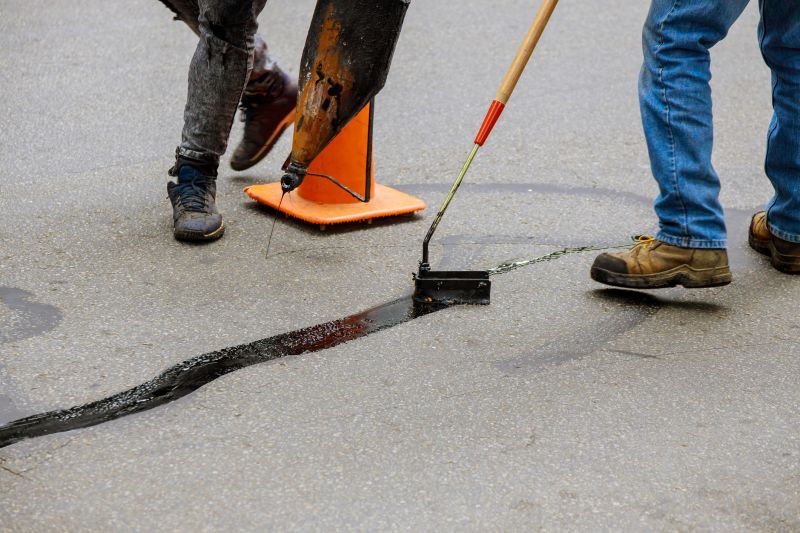
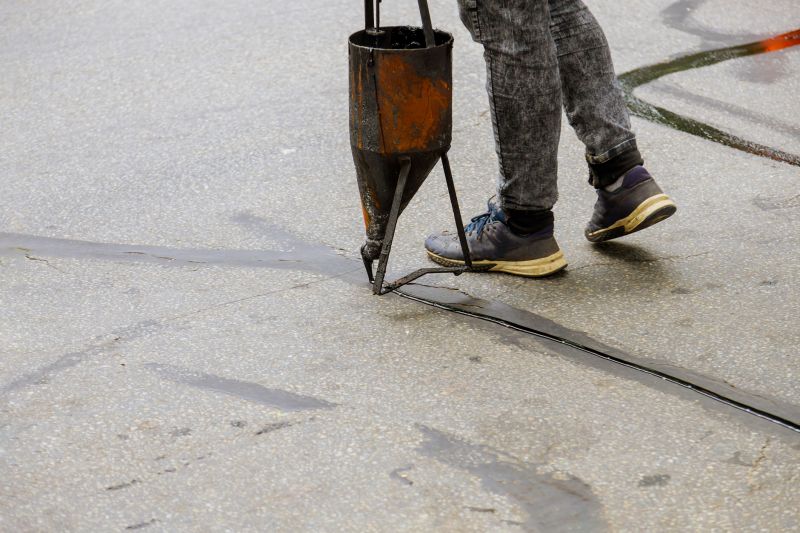
When people search for how weather conditions affect commercial asphalt sealing results, they are often trying to understand how different types of weather can influence the effectiveness and durability of the sealing process. This topic is relevant for property owners planning to seal or reseal large asphalt areas such as parking lots, driveways, or access roads. They want to know if certain weather patterns, like rain, extreme heat, or cold, might interfere with the application or longevity of the seal coat. Understanding these factors helps property managers and business owners avoid poor results that could lead to premature repairs or increased maintenance costs.
This subject is closely related to project planning and problem prevention. For example, if sealing is done during unsuitable weather, it can result in issues like uneven coverage, poor adhesion, or sealant failure. Property owners may also be considering maintenance schedules or preparing for upcoming weather changes that could impact the sealing process. By understanding how weather influences the results, they can better coordinate with local contractors to choose optimal timing for sealing projects, ensuring the best possible outcome and longer-lasting protection for their asphalt surfaces.
The types of properties that typically come up in discussions about weather and asphalt sealing include commercial parking lots, retail centers, industrial complexes, and apartment complexes. These properties often have large asphalt surfaces that require routine sealing to maintain their integrity and appearance. Weather conditions can be especially impactful on these larger areas, where uneven application or inadequate curing can be more noticeable and costly. Homeowners with sizable driveways might also be interested if they have commercial-grade sealing needs, but the focus is usually on properties with extensive asphalt surfaces that are sensitive to weather-related issues.
Local service providers who specialize in commercial asphalt sealing are well-versed in how weather conditions can affect results. They understand the importance of scheduling sealing projects during favorable weather and can advise property owners on the best times to proceed. These contractors are equipped to handle the challenges posed by various weather patterns and can adapt their techniques accordingly. When property owners are aware of how weather impacts sealing outcomes, they can better collaborate with local pros to ensure their asphalt surfaces receive the most durable and effective treatment possible, regardless of weather fluctuations.
Parking Lot Resurfacing - this type of project involves planning and executing asphalt work where weather conditions can impact curing times and surface integrity, similar to sealing results.
Driveway Reconstruction - requires precise planning around weather patterns to ensure proper asphalt application and long-lasting results, paralleling considerations in sealing projects.
Paving and Repaving Services - involves managing environmental factors that influence asphalt adhesion and durability, making weather considerations crucial for successful sealing outcomes.
Asphalt Repair and Patching - demands awareness of weather conditions to prevent further damage and ensure proper sealing after repairs, aligning with sealing project planning.
Sealcoating for Commercial Properties - directly related as both services depend heavily on weather conditions to achieve optimal sealing results and longevity.
Sidewalk and Walkway Resurfacing - involves surface preparation and application techniques sensitive to weather, similar to those used in asphalt sealing projects.
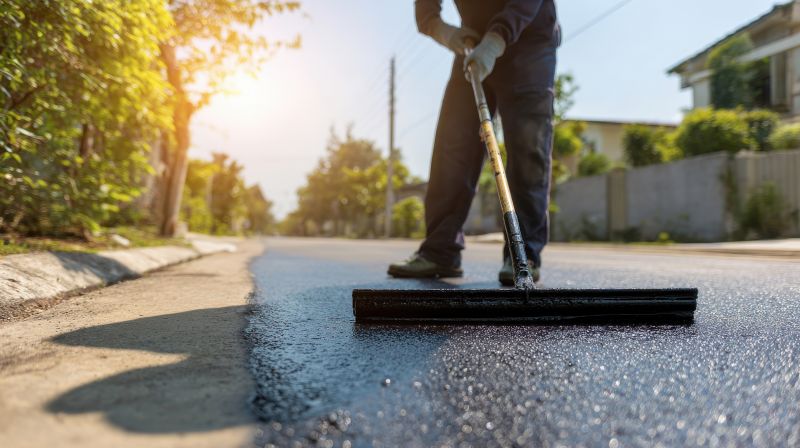
When evaluating commercial asphalt sealing services, it is important to consider the experience of local contractors with similar projects. Contractors who have successfully handled asphalt sealing in environments with varying weather conditions are more likely to understand how weather influences the curing process and long-term results. Asking about their past work in comparable weather scenarios can provide insight into their familiarity with the challenges posed by local climate patterns, helping to ensure the job is completed effectively despite weather fluctuations.
Clear written expectations are essential when comparing service providers, especially regarding how weather conditions might impact the sealing process. Reputable local contractors should be able to explain how weather can affect the timing, application, and drying of asphalt sealers. They should also provide guidance on the best weather conditions for sealing and outline any precautions or adjustments they make based on current or forecasted weather. Having these details documented helps prevent misunderstandings and ensures the project proceeds smoothly under the influence of weather.
Reputable references and good communication are key indicators of a reliable service provider. Local contractors who can furnish references from previous clients-particularly those who had projects affected by weather conditions-offer valuable insights into their ability to adapt and deliver quality results. Additionally, clear and open communication about weather-related considerations, potential delays, and how weather might influence sealing outcomes demonstrates professionalism and a commitment to transparency. This level of interaction can help homeowners feel confident in choosing a contractor capable of managing the challenges weather conditions present during asphalt sealing.
Property owners often search for how weather conditions affect commercial asphalt sealing results when they are planning practical projects around their homes and businesses. Local pros provide Commercial Asphalt Sealing services for everyday jobs and straightforward project options.
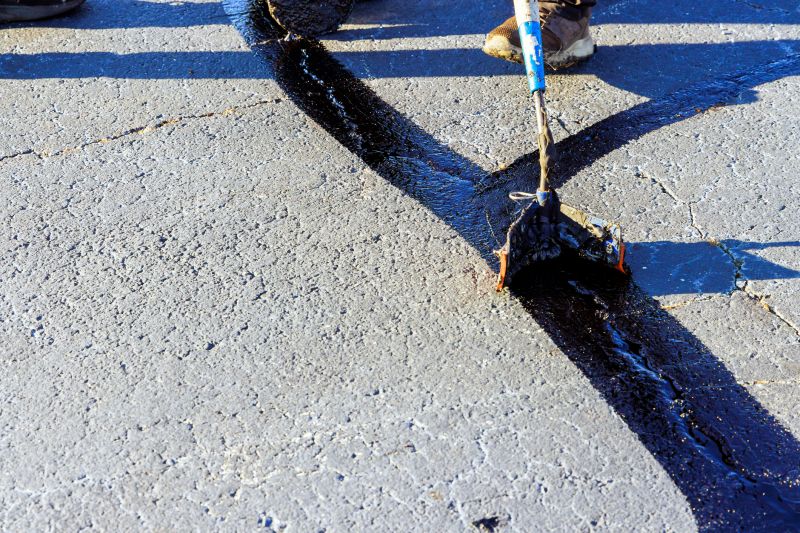
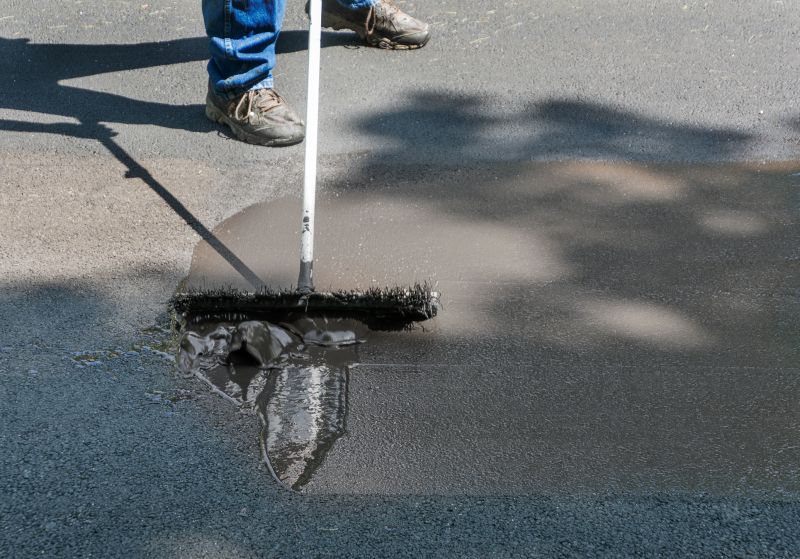
Weather conditions play a significant role in the success of commercial asphalt sealing projects. For property owners considering this service, understanding how factors like temperature, humidity, and recent rainfall can impact the results is important. For example, sealing asphalt during cold or excessively humid days can lead to poor adhesion or uneven application, which may reduce the longevity of the seal coat. Local contractors are experienced in assessing current weather patterns and timing their work to ensure optimal results, helping property owners avoid issues caused by unfavorable conditions.
In addition, extreme heat or direct sunlight can cause the sealant to dry too quickly, potentially leading to surface imperfections or reduced durability. Conversely, applying sealant when the surface is damp or during rainy weather can prevent proper curing, resulting in a less effective seal. Property owners seeking to protect their asphalt surfaces often look to local service providers who understand how weather conditions affect commercial asphalt sealing results. These professionals can advise on the best timing and conditions for application, ensuring the sealant performs as intended.
How do rain and moisture impact commercial asphalt sealing results? Rain and excess moisture can prevent proper adhesion of sealant and lead to uneven curing, which is why local contractors often schedule sealing during dry weather to ensure optimal results.
Can extreme temperatures affect the effectiveness of asphalt sealing? Yes, very high or low temperatures can cause sealant to cure improperly or crack, making it important for local pros to choose the right sealing time based on current weather conditions.
Why is it important to avoid sealing during windy conditions? Wind can cause debris to settle on the fresh sealant and accelerate drying in an uneven manner, so local service providers typically recommend sealing when wind speeds are low for a smooth finish.
How does humidity influence asphalt sealing outcomes? High humidity can slow down the curing process and lead to issues like cloudiness or improper adhesion, which is why local contractors monitor weather forecasts closely before scheduling sealing work.
What weather conditions are best for achieving durable asphalt sealing results? Clear, dry days with moderate temperatures and low humidity are ideal, as they help ensure proper curing and long-lasting protection when local pros perform sealing services.
Scheduling Sealing Projects - Understanding how weather conditions affect commercial asphalt sealing results helps property owners plan projects during optimal weather windows, ensuring better durability.
Preparing for Temperature Fluctuations - Local contractors can advise on timing sealing applications to avoid extreme heat or cold, which can compromise the sealing process.
Managing Rain and Moisture - Recognizing the impact of rain and moisture levels allows property owners to choose the right time for sealing, reducing the risk of poor adhesion.
Monitoring Humidity Levels - Being aware of humidity can help property owners coordinate with service providers to schedule sealing when conditions are most favorable for long-lasting results.
If you are thinking about how weather conditions affect commercial asphalt sealing results for a property, this guide is meant to help you understand this topic, the typical project types, and how different options might fit your plans.
When you are ready, you can use the quote form on this page to share a few details about your project. From there, local pros can review the basics and follow up with options that match what you have in mind.