Commercial Asphalt Sealing vs. Resurfacing: What’s the Difference
Commercial asphalt sealing helps protect and extend the life of your pavement, and local contractors can determine if sealing or resurfacing best suits your needs.
Understanding the differences between commercial asphalt sealing and resurfacing is essential for property owners seeking to maintain or improve their paved surfaces. Whether managing a parking lot, driveway, or other asphalt areas, knowing when to choose sealing versus resurfacing can impact the longevity and appearance of the pavement. Property owners in the area often explore this topic to make informed decisions that protect their investments and ensure safety, especially as asphalt surfaces face regular wear and tear. Local contractors specializing in asphalt services can provide valuable insights and tailored solutions, helping property owners determine the most practical approach for their specific needs.
Asphalt sealing and resurfacing serve distinct purposes, and choosing the right option depends on the condition of the existing surface and the desired outcome. Commercial asphalt sealing typically involves applying a protective coating to extend the life of the pavement, while resurfacing involves removing and replacing the top layer to address more significant damage. Local service providers skilled in these areas can assess the current state of an asphalt surface and recommend the best course of action. Exploring this topic further can help property owners make confident decisions about maintaining their asphalt, ensuring it remains functional and visually appealing over time.
- Parking lot sealing - when a commercial property needs to protect existing asphalt surfaces and extend their lifespan, local contractors typically apply sealing to create a protective barrier.
- Driveway sealing - for commercial driveways requiring surface preservation and enhanced appearance, local service providers often recommend sealing as a cost-effective solution.
- Industrial lot sealing - large-scale asphalt areas at industrial sites may need sealing to prevent deterioration, with local pros utilizing specialized materials for durable coverage.
- Stall and loading dock sealing - sealing around loading zones helps prevent water infiltration and surface damage, with local contractors carefully applying protective coatings.
- Sidewalk sealing - when sidewalks are showing signs of wear, local pros can perform sealing to improve surface integrity and delay the need for resurfacing.
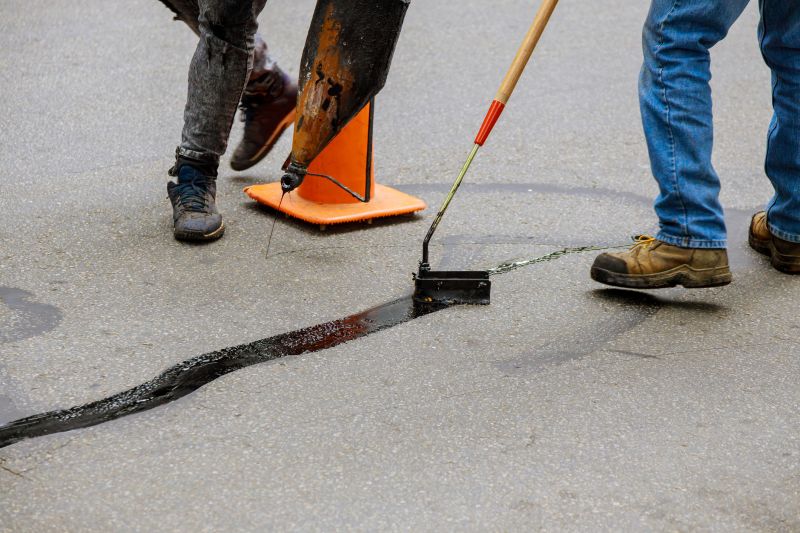
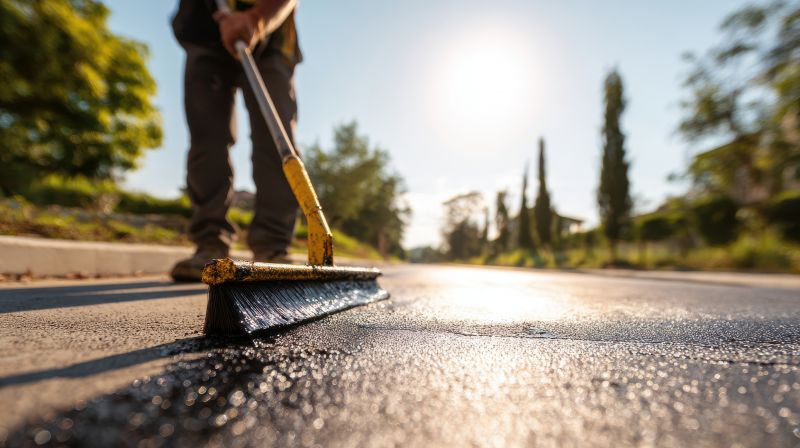
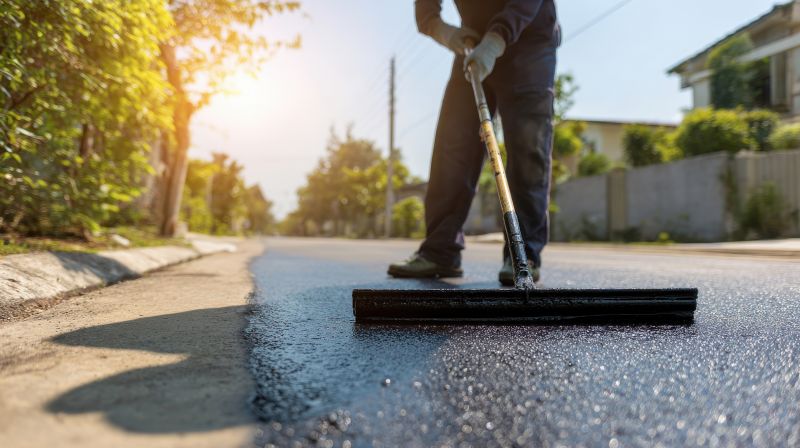
When homeowners search for information on commercial asphalt sealing versus resurfacing, they are often trying to understand which option best suits their property’s needs. Typically, this search is driven by concerns about maintaining or improving the appearance and functionality of asphalt surfaces such as parking lots, driveways, or access roads. Property owners may notice cracks, fading, or surface wear and want to know whether sealing or resurfacing will help extend the life of their asphalt or restore its look. Understanding the key differences helps in planning repairs or upgrades that align with the condition of the existing pavement and the goals for the property’s appearance and safety.
This comparison is especially relevant for property owners managing commercial spaces, retail centers, industrial sites, or apartment complexes, where the condition of asphalt surfaces directly impacts safety, aesthetics, and operational efficiency. Problems like cracking, potholes, or surface deterioration can lead to safety hazards and diminish curb appeal. Many plans involve regular maintenance to prevent further damage or a more extensive overhaul to address significant surface issues. When considering whether to seal or resurface, property owners often seek guidance on which approach will better protect their investment, reduce future repair needs, and improve the overall look of their asphalt areas.
The types of properties that commonly come up in these discussions include parking lots for shopping centers, office complexes, or industrial facilities, as well as large driveways for commercial or multi-family residential properties. These surfaces typically endure heavy traffic, weather exposure, and frequent use, which accelerate wear and tear. Property owners may also be considering resurfacing if the asphalt has extensive damage, such as deep cracks or widespread deterioration, whereas sealing is usually seen as a preventive or minor repair measure to enhance surface protection and appearance. Local asphalt sealing contractors can assess the condition of these surfaces and recommend the most suitable approach based on the current state of the pavement.
Understanding the distinction between commercial asphalt sealing and resurfacing helps property owners make informed decisions about maintaining their asphalt assets. Sealing involves applying a protective coating that seals small cracks and prevents water infiltration, which can slow down deterioration and improve surface appearance. Resurfacing, on the other hand, involves applying a new layer of asphalt over the existing surface, which can repair significant damage and restore a smoother, more uniform surface. Local service providers specializing in asphalt work can evaluate the specific needs of a property and recommend the appropriate solution, whether it’s a simple seal coat or a full resurfacing job, ensuring that each project addresses the property’s unique condition and long-term goals.
Paving Repair Projects - These projects involve surface patching and crack filling, skills that are also essential for proper asphalt sealing and resurfacing preparations.
Parking Lot Striping - Accurate line marking requires surface assessment and surface preparation, similar to the planning needed for sealing or resurfacing asphalt.
Driveway Resurfacing - Resurfacing involves applying new asphalt layers, aligning with the techniques used in asphalt sealing to protect and extend pavement life.
Concrete Surface Restoration - Restoring concrete surfaces shares planning and surface prep skills with asphalt sealing, especially in joint and crack repairs.
Pothole Repair - Filling potholes demands surface assessment and repair skills that are applicable to maintaining asphalt surfaces through sealing or resurfacing.
Sealcoat Application Services - These services focus on applying protective coatings, similar to asphalt sealing, requiring surface prep and surface treatment expertise.
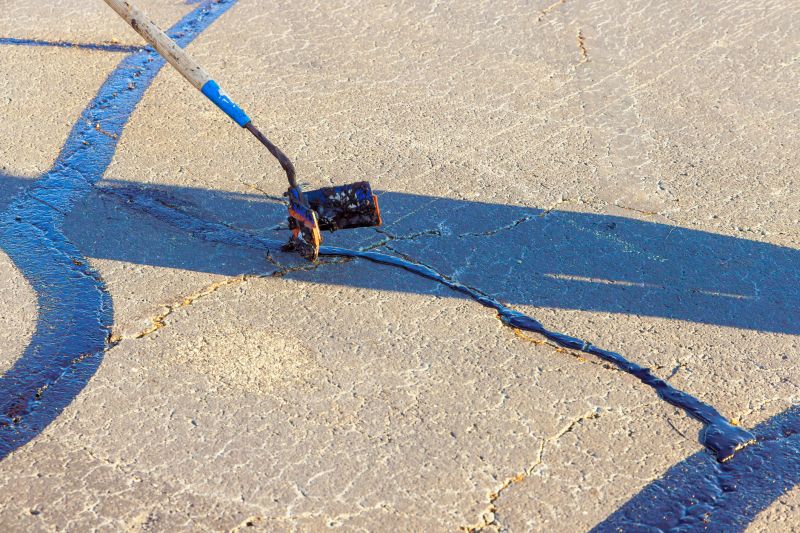
When evaluating service providers for commercial asphalt sealing, it is important to consider their experience with similar projects. Contractors who have a history of successfully completing commercial sealing jobs are more likely to understand the specific requirements of your property. This experience can help ensure that the work is performed efficiently and effectively, minimizing potential issues that might arise during or after the project. Homeowners should inquire about the types of commercial properties the contractor has worked on and seek evidence of their familiarity with the unique challenges associated with sealing large or complex asphalt surfaces.
Clear written expectations are essential when comparing local contractors for commercial asphalt sealing services. A reputable service provider should be able to provide detailed descriptions of the scope of work, materials used, and the standards they follow. Having these expectations documented helps prevent misunderstandings and ensures that both parties are aligned on what the project entails. Homeowners are encouraged to ask for written proposals or contracts that outline the work plan, so they can review the details and confirm that the contractor understands the specific needs of their commercial asphalt surface.
Reputable references and good communication are key factors in selecting the right contractor for commercial asphalt sealing. Service providers with positive references from previous clients demonstrate a track record of delivering satisfactory results. Additionally, clear and prompt communication throughout the process can help address questions or concerns promptly, leading to a smoother project experience. Homeowners should consider reaching out to past clients or requesting testimonials to gauge the contractor’s reliability and professionalism. Effective communication ensures that expectations are managed properly and that any issues are resolved quickly, contributing to a successful sealing project.
Property owners often search for commercial asphalt sealing vs. resurfacing: what’s the difference when they are planning practical projects around their homes and businesses. Local pros provide Commercial Asphalt Sealing services for everyday jobs and straightforward project options.
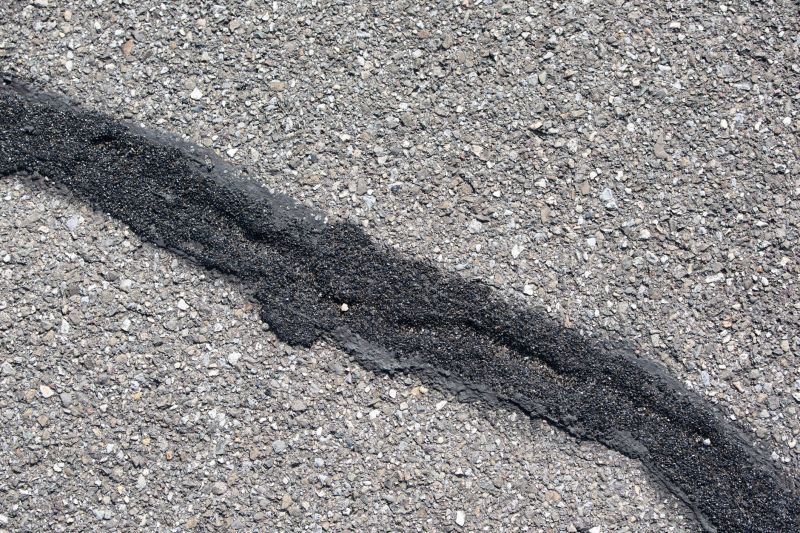
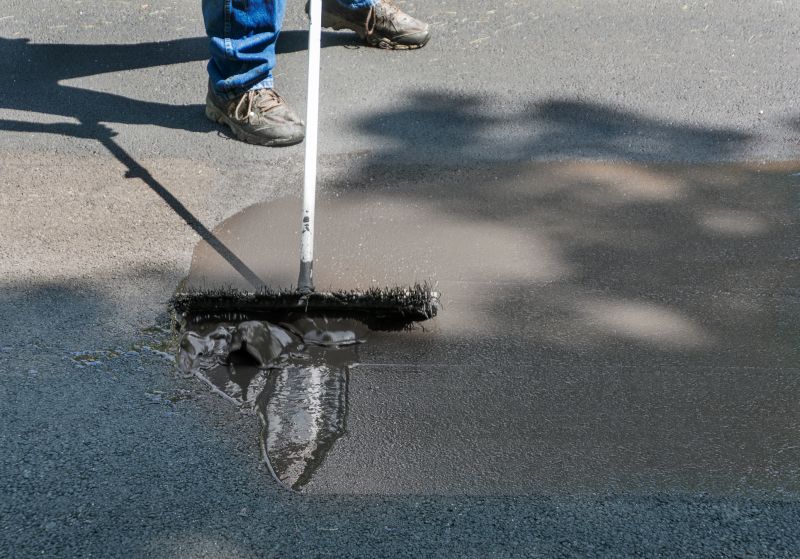
Understanding the difference between commercial asphalt sealing and resurfacing can help property owners make informed decisions about maintaining their parking lots, driveways, or other paved areas. Commercial asphalt sealing involves applying a protective coating over existing asphalt to prevent damage from weather, water, and everyday wear. This process is typically suitable for surfaces that are still in relatively good condition but need an extra layer of protection to extend their lifespan. On the other hand, resurfacing involves removing the top layer of damaged asphalt and replacing it with a new layer, which is often necessary when the existing surface has extensive cracking, potholes, or significant deterioration. Local contractors can assess the condition of the pavement and recommend the appropriate service based on the specific needs of each project.
For property owners in the area considering commercial asphalt sealing services, understanding these differences can help determine the best approach for their property’s needs. If the existing pavement is still structurally sound but shows signs of surface aging, sealing can be a cost-effective way to preserve it and delay more extensive repairs. Conversely, if the asphalt is heavily damaged, resurfacing may be the better option to ensure a durable and safe surface. Local service providers are equipped to evaluate the condition of asphalt surfaces and suggest the most suitable solution, whether it’s sealing to protect and prolong the life or resurfacing to restore a worn-out area.
What is the main difference between commercial asphalt sealing and resurfacing? Commercial asphalt sealing involves applying a protective coating to extend the life of the existing asphalt, while resurfacing replaces the top layer to restore a worn or damaged surface. Local contractors can determine which option best suits the condition of the asphalt.
When should a property owner consider sealing instead of resurfacing? Sealing is typically appropriate when the asphalt is in good condition with minor surface wear, whereas resurfacing is needed if there are significant cracks, potholes, or extensive deterioration. Local service providers can assess the asphalt’s condition to recommend the right solution.
Can commercial asphalt sealing help prevent the need for resurfacing? Yes, sealing can help protect the asphalt from water damage, UV rays, and oxidation, which may delay the need for resurfacing. However, once the asphalt shows major signs of damage, resurfacing is usually the more effective choice.
What are the benefits of choosing sealing over resurfacing? Sealing is generally less invasive and more cost-effective, providing a protective barrier that extends the asphalt’s lifespan. Local contractors can advise if sealing will adequately maintain the surface or if resurfacing is necessary.
How do local contractors determine whether sealing or resurfacing is appropriate? They evaluate the current condition of the asphalt, including cracking, surface wear, and structural integrity, to recommend the most suitable service for long-term performance and durability.
Assessing the Condition - Property owners can evaluate their asphalt’s wear and damage to determine if sealing or resurfacing is appropriate, with local contractors providing guidance on the best approach.
Choosing the Right Service - Understanding the differences between sealing and resurfacing helps property owners select the most suitable option for ongoing protection or major repairs.
Planning Maintenance Projects - Incorporating asphalt sealing into routine maintenance can extend pavement life, while resurfacing may be scheduled for heavily deteriorated surfaces, with local service providers assisting in planning.
Ensuring Long-Term Durability - Property owners can work with local contractors to decide when sealing suffices or if resurfacing is necessary to maintain pavement integrity over time.
If you are thinking about commercial asphalt sealing vs. resurfacing: what’s the difference for a property, this guide is meant to help you understand this topic, the typical project types, and how different options might fit your plans.
When you are ready, you can use the quote form on this page to share a few details about your project. From there, local pros can review the basics and follow up with options that match what you have in mind.